Innovative Furniture Trends Retail Brands Should Embrace in 2026

Updated: Jun 24
The furniture industry is evolving rapidly, and retail brands must keep pace to meet changing consumer demands. In 2026, furniture trends will reflect a blend of sustainability, technology, and personalized design. Retailers who adapt to these shifts can attract new customers and build lasting loyalty. This post explores key furniture trends shaping the market and offers practical advice for retail brands ready to innovate.
Sustainable Materials and Eco-Friendly Designs
Consumers increasingly demand furniture that respects the environment. In 2026, sustainable materials will dominate product lines. Retail brands should focus on:
Recycled and reclaimed wood: Using wood salvaged from old buildings or furniture reduces waste and adds unique character.
Natural fibers: Materials like bamboo, rattan, and organic cotton provide eco-friendly alternatives to synthetic fabrics.
Low-impact finishes: Water-based stains and natural oils replace chemical-heavy varnishes, appealing to health-conscious buyers.
For example, a retail brand could introduce a collection featuring reclaimed teak tables paired with organic linen upholstery. This combination highlights craftsmanship and environmental responsibility, resonating with eco-aware shoppers.
Modular and Multi-Functional Furniture
Space is at a premium in urban living, so furniture that adapts to different needs will grow in popularity. Retailers can capitalize on this by offering:
Modular sofas and shelving: Pieces that customers can rearrange or expand to fit their space.
Convertible furniture: Items like beds that fold into desks or coffee tables with hidden storage.
Compact designs: Slim profiles and stackable chairs that maximize room without sacrificing style.
A practical example is a sofa with removable sections that transform into lounge chairs or ottomans. This flexibility appeals to renters and small households, making it a smart addition to any retail catalog.
Technology Integration in Furniture
Smart furniture is becoming more accessible, blending comfort with convenience. Retail brands should explore:
Built-in charging stations: Desks and side tables with USB ports and wireless charging pads.
Adjustable features: Motorized recliners or height-adjustable desks controlled via smartphone apps.
Lighting and sound: Furniture with integrated LED lights or Bluetooth speakers for ambiance and entertainment.
For instance, a coffee table with a hidden wireless charger and Bluetooth speaker can enhance living rooms without clutter. Offering such tech-savvy options positions retailers as forward-thinking and customer-focused.
Bold Colors and Patterns
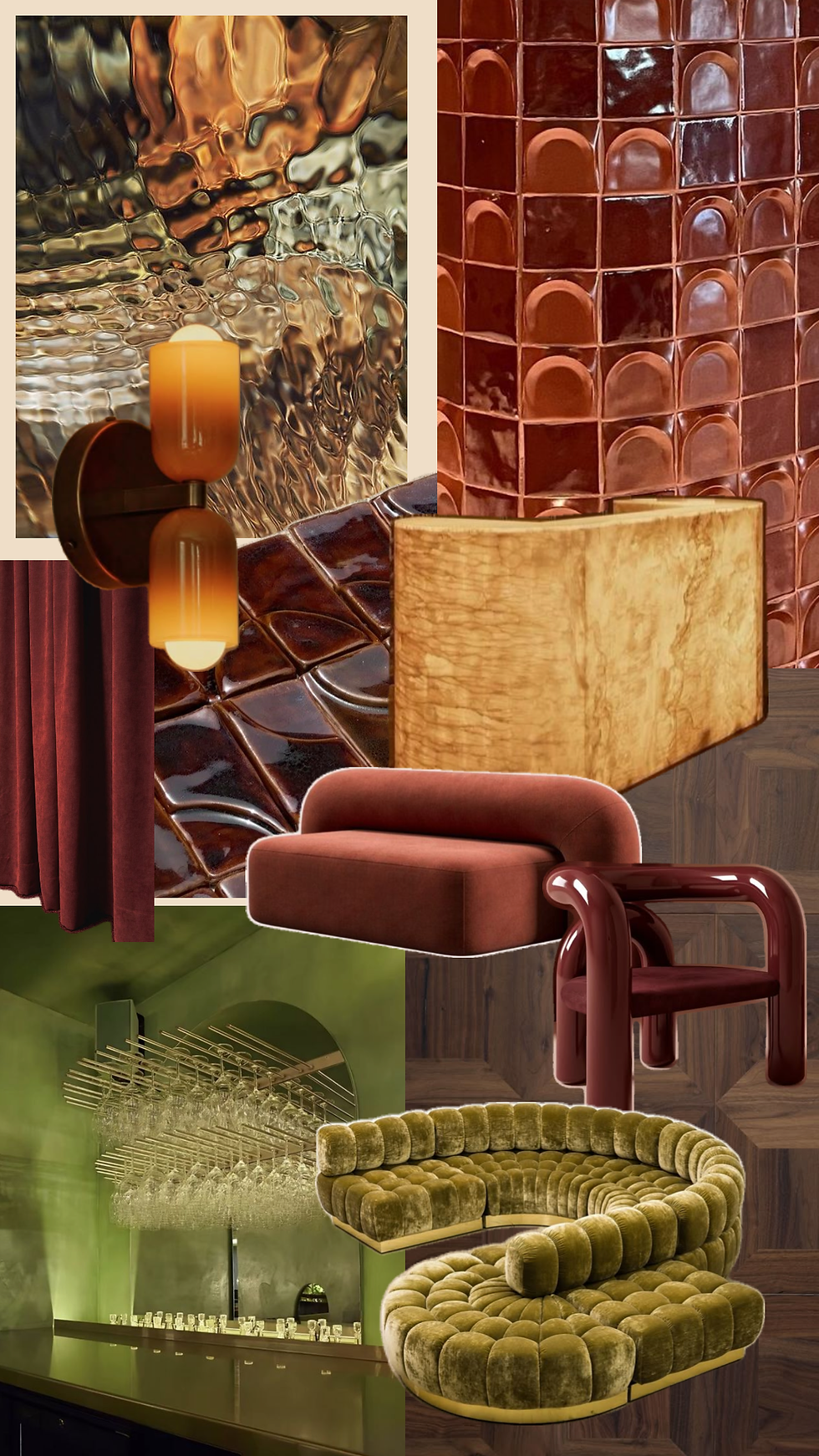
After years of neutral tones dominating interiors, 2026 will see a return to bold colors and expressive patterns. Retail brands can attract attention by:
Vibrant upholstery: Deep blues, emerald greens, and rich reds add personality to sofas and chairs.
Graphic prints: Geometric or floral patterns on cushions and curtains create visual interest.
Mix-and-match styles: Encouraging customers to combine different colors and textures for a unique look.
A retail brand might showcase a velvet armchair in royal blue paired with patterned throw pillows. This approach appeals to shoppers eager to make a statement with their furniture choices.
Handmade and Artisanal Pieces
Consumers value craftsmanship and stories behind their purchases. Retailers can highlight:
Locally made furniture: Supporting artisans and small workshops adds authenticity.
Customizable options: Allowing customers to select finishes, fabrics, or sizes.
Unique details: Hand-carved accents, inlays, or hand-painted surfaces.
For example, a handcrafted dining table with intricate woodwork can become a centerpiece in any home. Promoting such pieces helps retail brands connect emotionally with buyers.
Emphasis on Comfort and Wellness
Furniture that supports well-being will be a priority. Retailers should consider:
Ergonomic designs: Chairs and sofas that promote good posture and reduce strain.
Soft textures: Plush cushions and breathable fabrics enhance relaxation.
Natural elements: Incorporating plants or nature-inspired shapes to create calming environments.
A lounge chair with adjustable lumbar support and soft, breathable fabric can appeal to customers working from home or seeking comfort after long days.
Circular Economy and Furniture Rental
The circular economy model gains traction, encouraging reuse and reducing waste. Retail brands can explore:
Furniture rental services: Allowing customers to rent pieces for short-term needs.
Buy-back programs: Offering to repurchase used furniture for refurbishment and resale.
Repair and refurbishment: Providing services to extend product life.
For example, a retailer could launch a subscription model where customers swap furniture seasonally. This approach attracts eco-conscious consumers and those who enjoy frequent style changes.
Local and Cultural Influences
Furniture inspired by local traditions and cultures will add diversity to retail offerings. Brands can:
Incorporate regional materials: Using stone, clay, or textiles native to specific areas.
Feature traditional craftsmanship: Highlighting weaving, carving, or pottery techniques.
Celebrate cultural motifs: Integrating patterns and shapes with historical significance.
A retail brand might offer a collection inspired by Scandinavian minimalism or Japanese wabi-sabi aesthetics, appealing to customers interested in global design trends.
Practical Tips for Retail Brands
To successfully embrace these trends, retail brands should:
Research customer preferences: Use surveys and sales data to identify popular styles and features.
Collaborate with designers and artisans: Partnering with creators ensures fresh, authentic products.
Educate sales staff: Equip teams with knowledge about materials, technology, and benefits.
Create engaging displays: Show how furniture fits into real-life settings and lifestyles.
Offer customization: Provide options that let customers personalize their purchases.
By focusing on these areas, retailers can build trust and stand out in a competitive market.


Comments