Is Hiring a Professional Interior Designer Worth the Investment for Your Business?
- Avina Kantaatmadja

- Mar 12
- 3 min read
When it comes to creating a workspace that attracts customers and motivates employees, the design plays a crucial role. But many business owners hesitate to hire a professional interior designer because of concerns about cost. Is the investment really worth it? This post explores the true value of professional interior design services for businesses, breaking down costs, benefits, and practical considerations to help you decide if it fits your budget and goals.
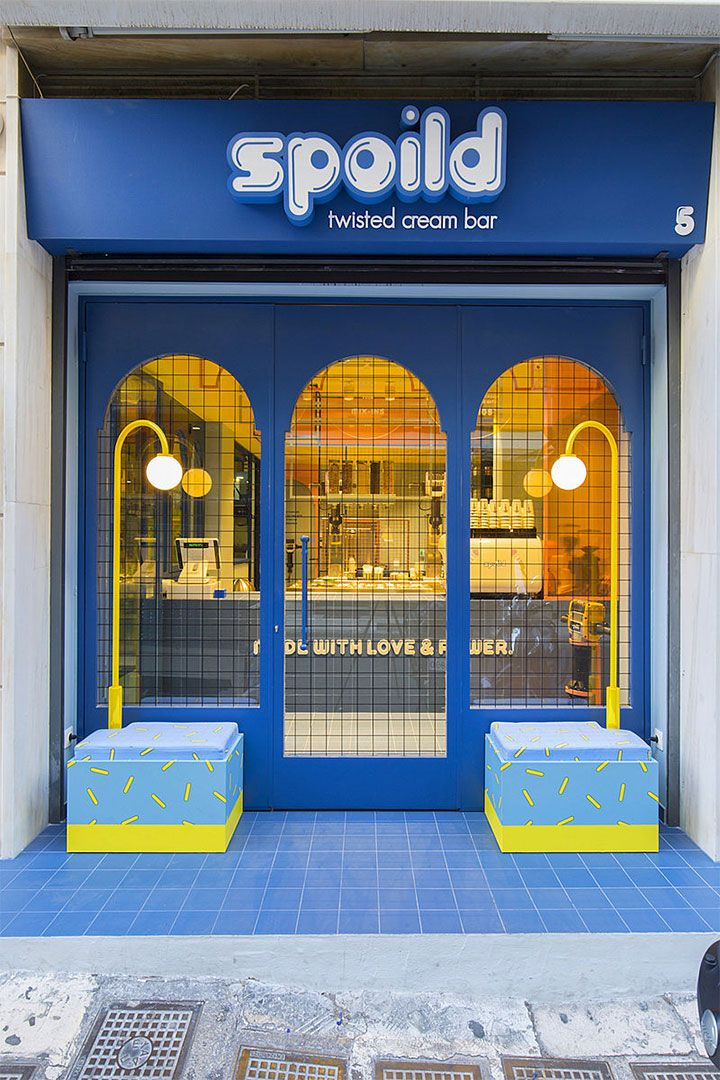
Understanding the Cost of Professional Interior Design
Many business owners assume that hiring an interior designer is an expensive luxury reserved for large corporations or high-end brands. While professional design services do come with a price tag, the cost varies widely depending on the scope of the project, the designer’s experience, and your business needs.
Typical Pricing Models
Flat Fee: A fixed price for the entire project, often used for clearly defined tasks like redesigning a single room.
Hourly Rate: Designers charge by the hour, which can range from $50 to $200 or more depending on location and expertise.
Percentage of Project Cost: Some designers charge 10-20% of the total budget for materials and labor.
Consultation Fee: A one-time fee for advice or a design plan without full project management.
For example, a small retail store might spend $3,000 to $10,000 on design services, while a larger office renovation could cost $20,000 or more. These numbers may seem high, but they often include access to professional resources, vendor discounts, and expert project management that save money in the long run.
What You Get When You Hire a Professional Interior Designer
Professional interior designers bring more than just aesthetic sense. Their expertise can transform your business space in ways that impact your bottom line.
Strategic Space Planning
Designers analyze how your space functions and flows. They optimize layouts to improve customer experience, employee productivity, and safety. For instance, a restaurant designer might create a seating arrangement that maximizes capacity without feeling cramped, boosting revenue.
Access to Quality Materials and Vendors
Designers have established relationships with suppliers and contractors. This often means better prices and higher-quality materials than you could find on your own. They also handle ordering and delivery, reducing your workload.
Time and Stress Savings
Managing a design project involves coordinating multiple vendors, tracking budgets, and solving unexpected problems. A professional takes on these tasks, freeing you to focus on running your business.
Brand Consistency and Appeal
A well-designed space reflects your brand identity and values. Designers ensure that colors, furniture, lighting, and decor create a cohesive look that resonates with your target audience. For example, a boutique hotel might use warm tones and natural materials to convey comfort and luxury.
Examples of Businesses Benefiting from Professional Design
Retail Stores: A clothing boutique hired a designer to create an inviting layout and lighting scheme. Sales increased by 15% within six months due to improved product visibility and customer flow.
Offices: A tech startup invested in ergonomic furniture and collaborative spaces designed by a professional. Employee satisfaction and productivity rose, reducing turnover.
Restaurants: A café revamped its interior with a designer’s help, creating a cozy atmosphere that attracted more customers and increased average visit time.
These examples show how design impacts both customer experience and operational efficiency.
When It Might Not Be the Right Time to Hire a Designer
If your business is just starting out or facing tight cash flow, you might delay hiring a professional. In such cases, focus on essential improvements and consider consulting a designer for a one-time plan rather than full project management. This approach provides expert guidance without the full cost.
How to Maximize Value from Interior Design Services
Set Clear Goals: Define what you want to achieve with the design, such as increasing foot traffic or improving employee comfort.
Establish a Realistic Budget: Share your budget upfront so the designer can tailor solutions accordingly.
Communicate Openly: Regular updates and feedback help avoid costly changes later.
Consider Phased Projects: Break the design into stages to spread out costs and adjust based on results.
Final Thoughts on Investing in Professional Interior Design
Hiring a professional interior designer is an investment that can pay off through increased sales, better employee performance, and a stronger brand image. While the upfront cost may seem high, the long-term benefits often outweigh the expense. By carefully selecting a designer and setting clear expectations, businesses can create spaces that support growth and success.


Comments