The Ultimate Guide to Choosing the Best White Paint for Your Commercial Space

White paint is often the first choice when it comes to painting commercial spaces. It offers a clean, bright, and versatile backdrop that can make any area feel larger and more inviting. But not all whites are the same. Choosing the right white paint can transform your commercial space, enhancing its atmosphere and functionality. This guide will help you understand the different types of white paint and how to select the best one for your commercial environment.
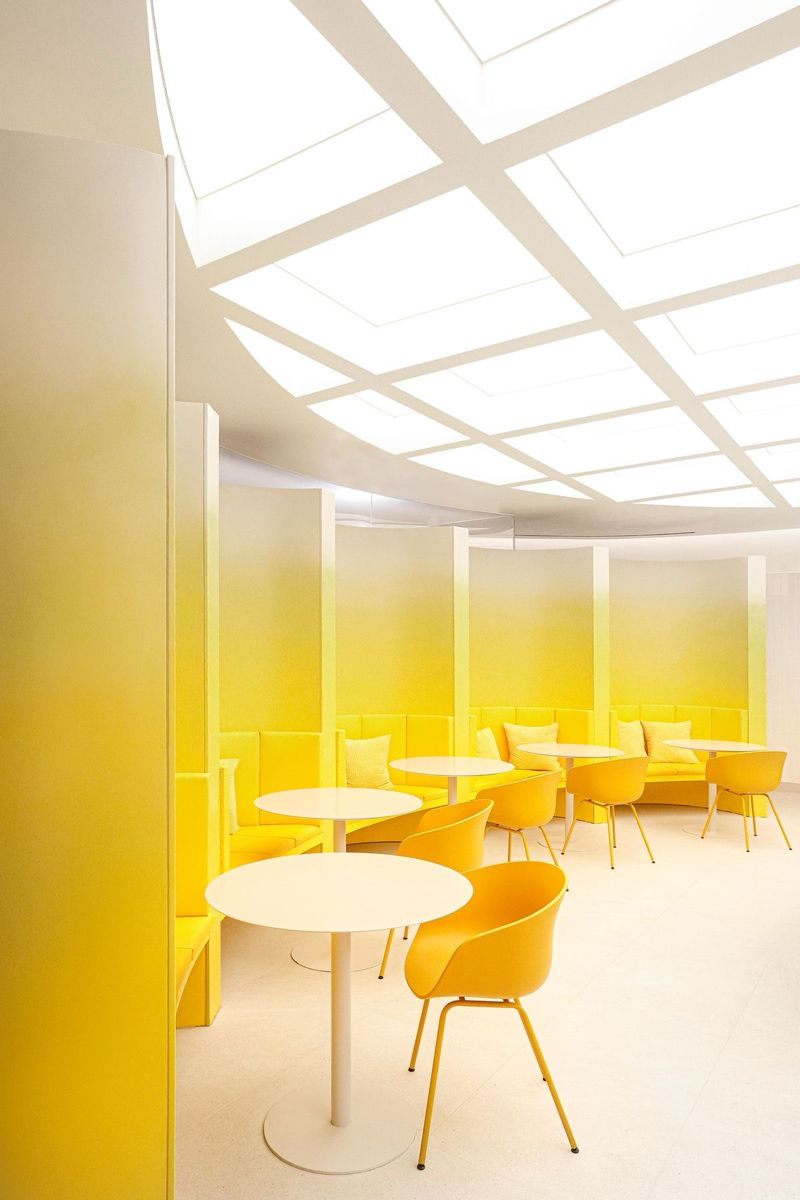
Why White Paint Matters in Commercial Spaces
White paint does more than just brighten a room. It influences how people feel and interact within a space. In commercial settings, the right white can:
Create a sense of openness and cleanliness
Highlight architectural features or products
Provide a neutral background that complements branding and décor
Improve lighting efficiency by reflecting natural and artificial light
Choosing the wrong shade or finish can make a space feel cold, sterile, or dull. That’s why understanding the nuances of white paint is essential.
Understanding Different Shades of White
White paint comes in many shades, each with subtle undertones that affect the overall look. Here are some common types of white shades to consider:
Warm Whites
Warm whites have undertones of yellow, beige, or red. They create a cozy and inviting atmosphere, making them ideal for spaces where comfort and warmth are priorities, such as waiting areas or lounges.
Cool Whites
Cool whites contain blue, gray, or green undertones. These shades feel crisp and modern, perfect for high-tech environments, laboratories, or creative studios where a clean and focused atmosphere is needed.
Neutral Whites
Neutral whites have balanced undertones, neither too warm nor too cool. They work well in most commercial spaces, providing a versatile backdrop that adapts to different lighting and décor styles.
Choosing the Right Finish for Your Commercial Space
The finish of the paint affects both the appearance and durability of the walls. Here are the main finishes to consider:
Matte: Offers a smooth, non-reflective surface that hides imperfections well. Suitable for low-traffic areas but harder to clean.
Eggshell: Has a slight sheen and is easier to clean than matte. Good for moderate-traffic areas like conference rooms.
Satin: Provides a soft shine and is durable, making it ideal for high-traffic spaces such as hallways and reception areas.
Semi-gloss: Reflects more light and is very durable and easy to clean. Best for areas prone to dirt and moisture, like kitchens or restrooms.
Gloss: Highly reflective and durable but can highlight wall imperfections. Usually reserved for trim or accent areas.
Factors to Consider When Selecting White Paint
Lighting Conditions
Natural and artificial lighting can change how white paint looks. Test paint samples on your walls and observe them at different times of the day. A white that looks perfect in daylight might appear too harsh or dull under fluorescent lights.
Room Size and Ceiling Height
Bright whites can make small rooms feel larger and ceilings higher. However, very bright whites might cause glare in large open spaces. Softer whites with warm undertones can add comfort without shrinking the space visually.
Existing Décor and Branding
Consider your furniture, flooring, and brand colors. The white paint should complement these elements. For example, a white with blue undertones pairs well with cool-toned furniture, while warm whites enhance wood finishes.
Maintenance and Durability
Commercial spaces often require paint that can withstand frequent cleaning. Choose paints with durable finishes and consider options with antimicrobial properties for health-sensitive environments.
Popular White Paints for Commercial Spaces
Here are some widely used white paint options known for their quality and versatility:
Benjamin Moore Chantilly Lace: A crisp, clean white with subtle cool undertones. Great for modern, minimalist spaces.
Sherwin-Williams Alabaster: A warm white that feels soft and inviting, suitable for reception areas.
Behr Ultra Pure White: One of the brightest whites available, ideal for spaces needing maximum brightness.
Farrow & Ball All White: A neutral white with no strong undertones, perfect for versatile commercial use.
Dulux Natural White: A balanced white that works well in various lighting conditions.
Tips for Testing and Applying White Paint
Test multiple samples on different walls and observe them at various times.
Use large swatches to see how the paint interacts with light and surroundings.
Consider painting a small section before committing to the entire space.
Choose high-quality primers to ensure the white paint covers well and lasts longer.
Work with professional painters who understand how to apply white paint evenly without streaks or patches.
How White Paint Affects Mood and Productivity
White can influence how people feel and perform in a commercial space. Bright whites can stimulate alertness and focus, making them suitable for workspaces. Warmer whites promote relaxation and comfort, ideal for client-facing areas. Understanding these effects helps tailor the paint choice to your business needs.
Common Mistakes to Avoid When Choosing White Paint
Picking white based on the paint chip alone without testing on walls.
Ignoring the impact of lighting on the paint color.
Choosing a white that clashes with existing décor or branding.
Overlooking the importance of paint finish for durability and maintenance.
Using pure white in all areas without variation, which can feel monotonous.
Final Thoughts on Selecting White Paint for Your Commercial Space
Choosing the best white paint for your commercial space requires attention to detail and understanding how different whites interact with light, space, and purpose. By considering undertones, finishes, lighting, and maintenance needs, you can select a white that enhances your space’s look and feel.
Take the time to test samples and think about how the paint will work with your existing design elements. The right white paint will not only brighten your commercial space but also support the atmosphere you want to create for employees, clients, and visitors.


Comments